Aluminum Casting manual created in a complete article
Wiki Article
The Value of Metal Foundries: An Extensive Overview of Their Influence On Manufacturing
Steel foundries are indispensable to the manufacturing landscape. They transform basic materials into parts that offer diverse sectors, from automobile to aerospace. Their know-how in alloy formulation and casting techniques assures the production of sturdy components. The industry deals with obstacles that could reshape its future. Comprehending these characteristics discloses truth value of foundries in economic and technical contexts. What exists ahead for this essential field?The Role of Steel Shops in the Production Process
Although frequently neglected, metal factories play a crucial role in the production procedure by transforming raw metals right into usable elements. These centers focus on melting various steels, such as bronze, light weight aluminum, and iron, and pouring them right into molds to develop parts for diverse industries. The procedure starts with the cautious selection of raw materials, making certain that only the finest quality metals are used. When melted, the metal takes on the form of the mold and mildew, solidifying into components that satisfy particular layout and efficiency requirements.Steel foundries contribute significantly to sectors like automotive, aerospace, and construction by giving vital parts such as engine blocks, equipments, and architectural supports. Their expertise in alloy solution and spreading strategies makes it possible for manufacturers to produce detailed layouts while maintaining toughness and resilience. Subsequently, metal factories not just facilitate the creation of crucial parts but additionally boost the total effectiveness and performance of modern production.
Enhancing Manufacturing Performance With Advanced Techniques
Metal foundries are increasingly adopting advanced methods to boost manufacturing efficiency and meet the growing demands of various sectors. The implementation of automation and robotics has streamlined procedures, minimizing manual work and enhancing precision in steel spreading procedures. In addition, the assimilation of computer-aided design (CAD) and simulation software program permits better preparation and optimization of production operations, reducing waste and reducing preparations.Lean manufacturing concepts are also being used to enhance and get rid of inefficiencies source utilization. Shops are now focusing on energy-efficient practices, such as using waste warm recovery systems, which better contribute to cost financial savings and environmental sustainability. By embracing these advanced methods, steel factories are not only improving their operational performance however likewise boosting item high quality, causing higher customer complete satisfaction. As sectors remain to develop, the ability of factories to adapt to these improvements will certainly be necessary for maintaining competition out there.
Developments in Steel Casting Innovation
As the demand for precision and performance in making grows, advancements in steel casting innovation are transforming the sector landscape. Improvements such as 3D printing and computer-aided style (CAD) are making it possible for factories to create intricate geometries with higher precision and rate. These methods minimize product waste and reduce preparations, cultivating a much more lasting manufacturing procedure.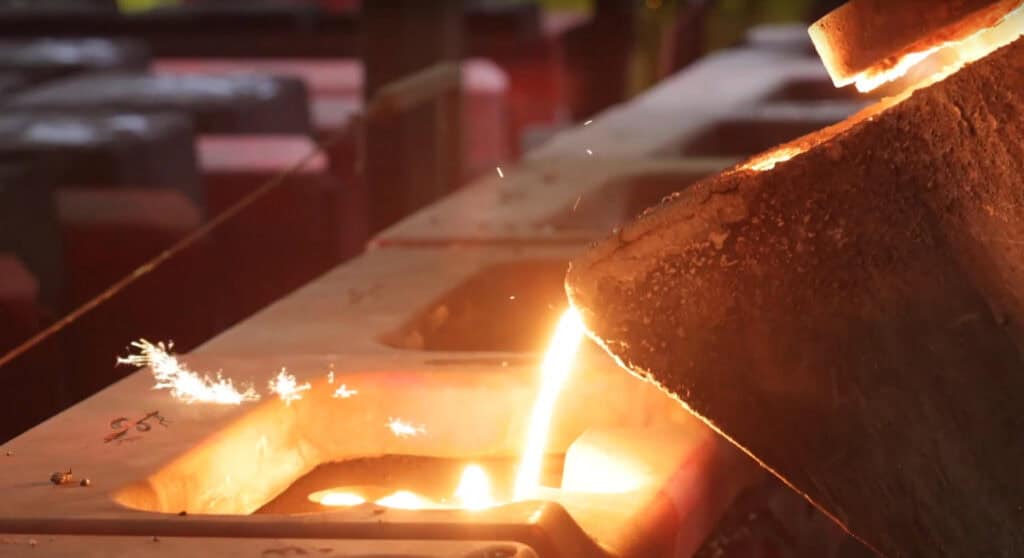
Smart factory modern technologies, including the Web of Points (IoT), promote real-time monitoring and data evaluation, enhancing manufacturing effectiveness and minimizing downtime. Collectively, these advancements are not only enhancing the capacities of steel shops yet also establishing the stage for the future of production, defined by raised dexterity and responsiveness to market needs.
The Economic Effect of Steel Shops on Neighborhood and Worldwide Markets
Metal foundries play a vital duty fit economic landscapes, both in your area and worldwide. They produce significant task development possibilities and contribute to export and trade, reinforcing overall economic growth. In addition, shops support neighborhood organization ecological communities, cultivating synergistic connections that improve community strength.Work Creation Opportunities
Task development in the steel factory sector substantially affects both worldwide and local economic climates. These facilities offer countless employment possibilities across different skill degrees, from skilled labor to design and monitoring placements. The need for metal parts in markets such as automobile, aerospace, and building drives the need for a durable labor force. As steel foundries increase, they boost additional work creation in supplementary industries, consisting of transportation, logistics, and supply chain administration. Furthermore, the economic stability provided by factory tasks adds to regional neighborhoods via raised costs and investment in infrastructure. In general, the metal foundry sector's ability to develop jobs not only improves private livelihoods however additionally strengthens local development and strength, showcasing its crucial function in economic advancement.
Export and Trade Contributions
A substantial part of the financial influence generated by factories stems from their payments to export and trade. Steel factories play a crucial function in providing components for different sectors, including automotive, aerospace, and building and construction, thereby improving a country's export capacities. By creating top quality castings and parts, foundries allow regional economic climates to contend on a worldwide range. The export of these items not only raises revenue but also promotes global collaborations and profession agreements. In addition, shops add to a favorable trade balance, which is essential for economic security. The export tasks of steel foundries stimulate technology and investment, ultimately enhancing their importance in both international and local markets, driving growth and financial strength.Resident Service Assistance Equipments
While regional economic climates commonly gain from the visibility of metal foundries, their effect extends beyond simple work development. These centers contribute greatly to regional company support group by fostering a network of providers, service providers, and supplementary markets. This interconnected ecosystem enhances economic durability, allowing smaller sized organizations to prosper alongside bigger factories. In addition, metal foundries usually participate in area initiatives, purchasing neighborhood facilities and education and learning, which better boosts economic growth. On a wider scale, the visibility of foundries can attract financial investment and skill, strengthening the area's affordable benefit in global markets. Inevitably, the financial contributions of metal foundries not only produce straight employment however also cultivate an encouraging setting for diverse regional enterprises.Challenges Dealing With Metal Foundries in the Modern Age
As the metal shop market advances, it faces many obstacles that threaten its sustainability and competitiveness. One significant issue is the raising expense of resources, which straight affects production expenditures. Global supply chain interruptions additionally worsen this trouble, making it tough for foundries to keep consistent operations. Furthermore, labor scarcities present a significant obstacle, as skilled employees come to be scarce in a quickly altering technological landscape.Steel foundries have to contend with rigorous environmental guidelines that demand higher conformity expenses and investment in cleaner technologies. This shift needs factories to adjust promptly, typically stressing financial resources.
Last but not least, competitors from automated manufacturing procedures and abroad production includes pressure, forcing regional shops to innovate or run the risk of obsolescence. Attending to these challenges is essential for the sector to thrive in a increasingly intricate and affordable market environment.
Sustainability Practices in Metal Starting
In reaction to the difficulties encountered by the sector, metal foundries are significantly taking on sustainability techniques to improve their functional effectiveness and ecological obligation. These techniques consist of the implementation of energy-efficient innovations, such as electric induction heaters, which minimize power consumption and greenhouse gas discharges. Furthermore, many shops are focusing on reusing scrap metal, minimizing waste, and making use of environmentally friendly materials to reduce their environmental impact.
Water conservation procedures are also being prioritized, with systems established to recycle procedure water, thereby reducing freshwater use. Furthermore, shops are purchasing employee pop over here training programs to advertise sustainable methods amongst workers, promoting a society of environmental awareness.
Future Fads in the Metal Shop Market
Changing and arising technologies market demands are positioned to reshape the metal foundry sector in the coming years. Boosting automation, driven by advancements in robotics and expert system, is expected to improve production performance and lower labor costs. Metal Casting. Additionally, additive manufacturing strategies, such as 3D printing, are getting traction, enabling more facility and tailored metal components with lowered wasteSustainability will certainly also play a crucial function, with foundries embracing greener practices to decrease their environmental impact. The industry is most likely to see an increase in using recycled materials as raw inputs, lining up with international sustainability goals.
The need for lightweight and high-performance alloys, particularly in the aerospace and automotive markets, is anticipated to boost. This advancement will demand continuous investment in r & d, allowing steel shops to flourish and adapt in an affordable landscape. On the whole, these trends are navigate here readied to redefine the functional landscape of metal shops.
Often Asked Concerns
What Sorts of Metals Are Commonly Utilized in Shops?
Usual metals utilized in shops consist of iron, zinc, light weight aluminum, and copper. These materials are preferred for their one-of-a-kind residential or commercial properties, making it possible for varied applications in sectors such as automotive, aerospace, and building and construction, contributing significantly to producing processes.Exactly How Do Steel Factories Guarantee Product High Quality and Consistency?
Metal foundries assure product high quality and consistency through strenuous quality assurance procedures, including accurate temperature level guideline, material screening, and adherence to sector requirements. Normal evaluations and experienced craftsmanship better enhance dependability and uniformity in production processes.What Precaution Are Implemented in Steel Shops?
Steel shops implement precaution such as individual safety equipment, air flow systems, regular safety training, and stringent adherence to safety methods to decrease risks. These methods aim to safeguard workers and keep a safe functioning setting.What Are the Job Opportunities in the Metal Factory Market?
Occupation possibilities in the metal foundry market consist of duties such as shop employees, quality control examiners, engineers, device operators, and monitoring positions. These roles demand different abilities, offering pathways for advancement and field of expertise within the field.Exactly How Do Factories Deal With Waste and Recycling of Materials?
Foundries take care of waste and recycling with procedures like reclaiming sand, melting scrap metal, and utilizing byproducts for energy. These practices decrease environmental effect while promoting sustainability within the steel casting industry and improving resource efficiency.Often forgotten, metal shops play an essential role in the production procedure by transforming raw steels right into usable elements. Steel shops are progressively taking on sophisticated techniques to enhance manufacturing efficiency and satisfy the growing demands of various sectors. Metal foundries play a necessary function in providing elements for various industries, including automotive, aerospace, and building and construction, consequently boosting a country's export capabilities. In reaction to the challenges dealt with by the sector, steel factories are increasingly embracing sustainability techniques to enhance their operational performance and environmental responsibility. Aluminum Foundry. Occupation possibilities in the metal factory sector include roles such as site factory workers, high quality control inspectors, designers, device operators, and administration settings
Report this wiki page